Cat and Dog Cardiologists in Pasadena, CA
A heart murmur, abnormal rhythm, fainting episode, or breathing change can raise a lot of questions about your pet’s health. A cat and dog cardiologist in Pasadena, CA can help determine what is happening, how serious it may be, and what treatment options are available.
At ACCESS Specialty Animal Hospital – Pasadena, our board-certified veterinary cardiologists diagnose and treat heart and blood vessel conditions in dogs and cats using advanced cardiac imaging, medical management, and interventional procedures.
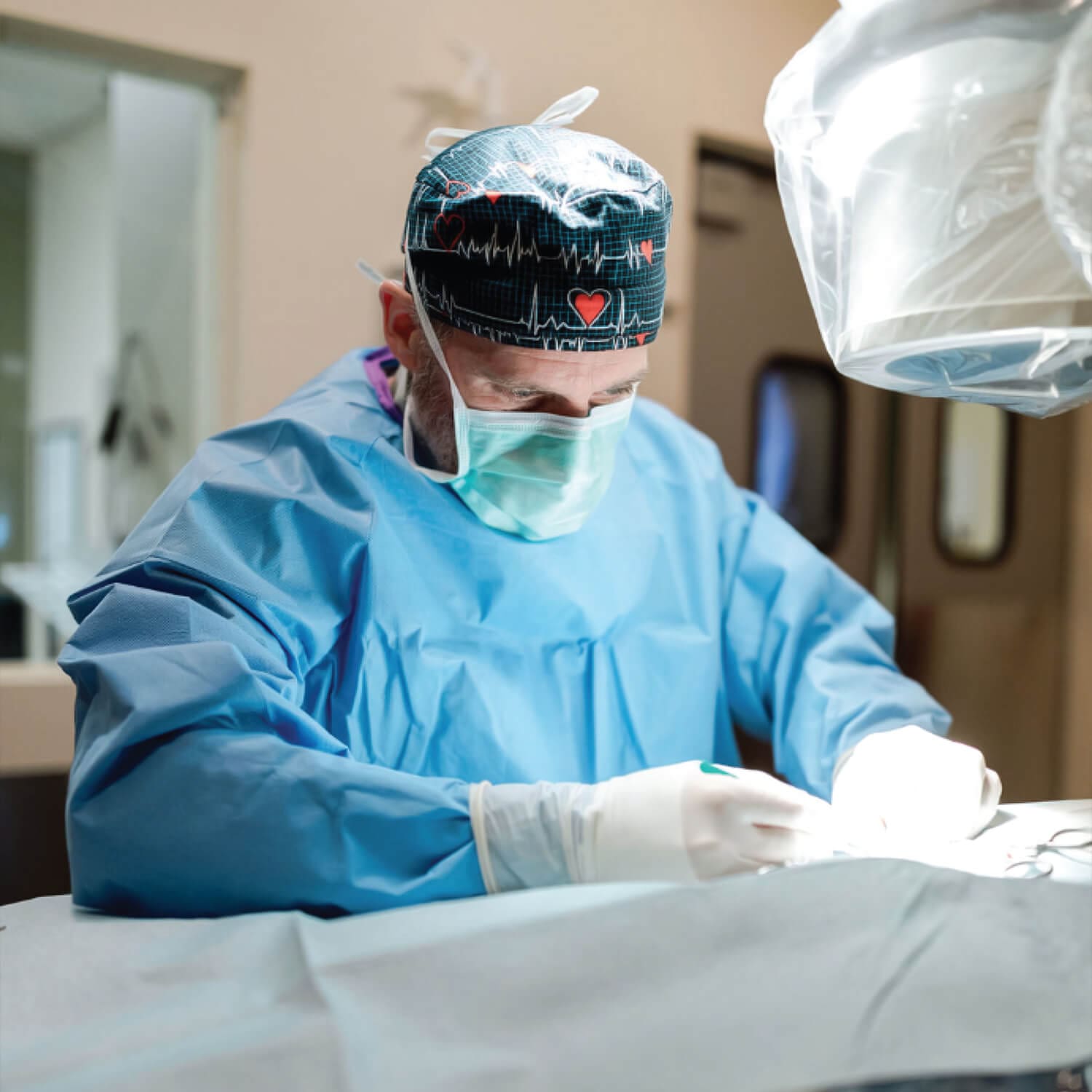
For pets who need more advanced treatment, our cardiologists also perform minimally invasive cardiac interventions through the Center for Advanced Veterinary Interventions (CAVI™).
To learn more about our cardiology services, contact us at (626) 993-9600 or ask your primary veterinarian to refer your pet for a comprehensive cardiac evaluation.
When Should Your Pet See a Veterinary Cardiologist?
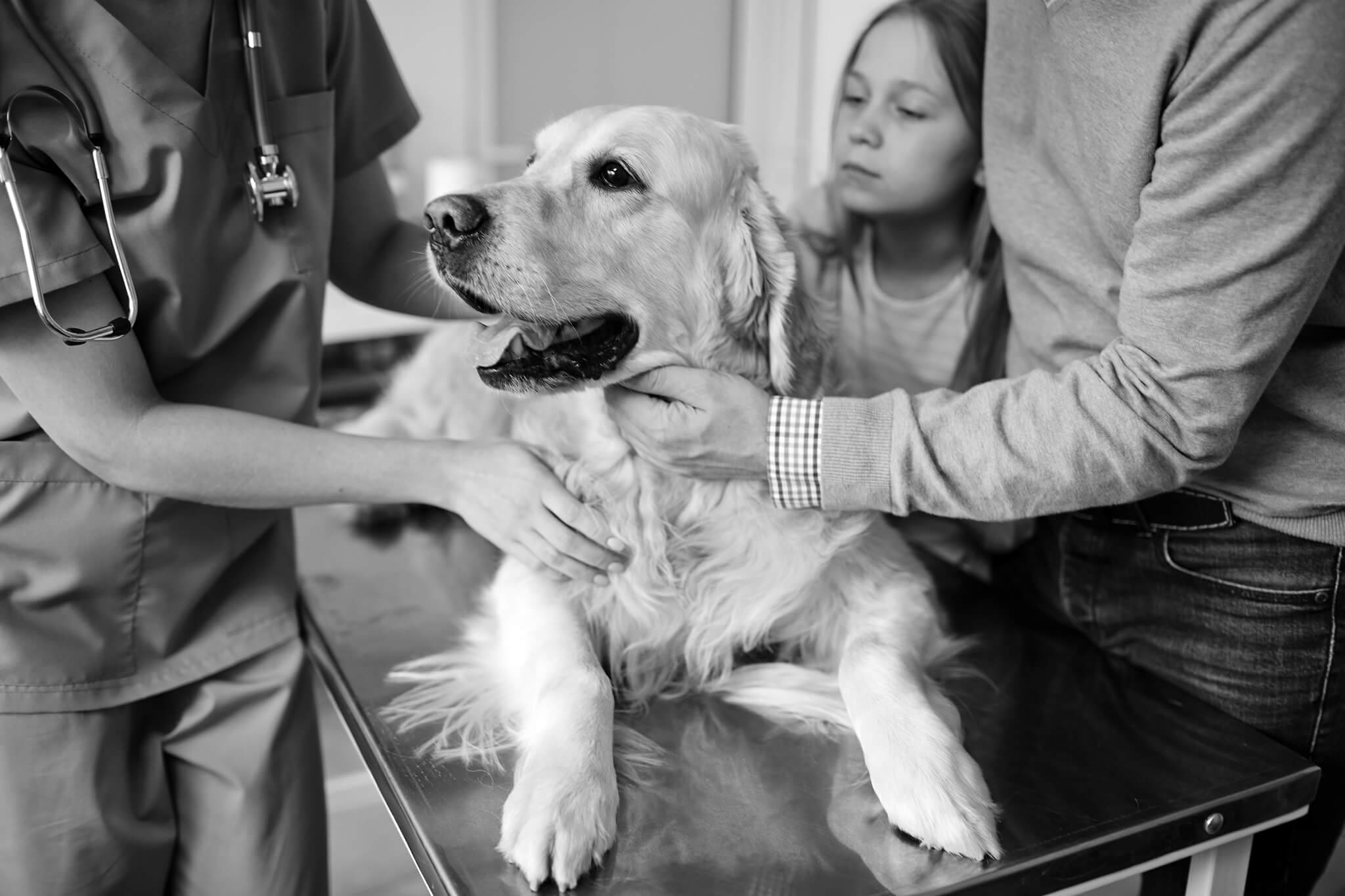
Some heart conditions cause noticeable symptoms, while others are first detected during a routine veterinary exam. Your primary veterinarian may recommend a cardiology consultation after hearing a murmur, identifying an abnormal heart rhythm, or finding changes on imaging or bloodwork.
Signs and findings that may lead to a cardiology evaluation include:
-
Heart murmurs
-
Persistent coughing
-
Rapid or difficult breathing
-
Fainting or collapse
-
Exercise intolerance or unusual fatigue
-
Abnormal heart rhythms
-
Fluid accumulation in the chest or abdomen
-
Suspected congenital heart disease
-
An enlarged heart seen on X-rays
-
Changes that suggest congestive heart failure
What Heart Conditions Do Our Veterinary Cardiologists Treat?
Our cardiologists evaluate acquired and congenital cardiovascular disease in dogs and cats.
Conditions may include:
-
Degenerative mitral valve disease
-
Dilated cardiomyopathy
-
Hypertrophic cardiomyopathy
-
Congestive heart failure
-
Congenital heart defects
-
Pulmonic stenosis
-
Patent ductus arteriosus (PDA)
-
Ventricular and atrial septal defects
-
Cardiac arrhythmias
-
Sick sinus syndrome
-
Atrioventricular block
-
Pericardial disease
-
Pulmonary hypertension
-
Heart and vascular abnormalities

What Cardiac Diagnostics Do We Have for Pets?
Heart disease can affect the heart’s structure, rhythm, blood flow, or pumping ability. Our cardiology team uses advanced diagnostic tools to evaluate those different aspects of cardiovascular function.
Depending on your pet’s condition, testing may include:
-
Electrocardiography (ECG) to evaluate heart rhythm
-
Echocardiography (ultrasound of the heart)
-
Digital radiography
-
Fluoroscopy
-
Cardiovascular CT scans
-
Transesophageal echocardiography
-
Holter monitoring
-
Blood testing
What Is Minimally Invasive Interventional Cardiology?
Some cardiovascular problems can be treated from inside the blood vessels rather than through traditional open-chest surgery.
Interventional cardiology uses catheters, guidewires, balloons, stents, and implantable devices that are advanced through a blood vessel under imaging guidance. These techniques allow cardiologists to address certain structural abnormalities, obstructions, abnormal connections, rhythm disorders, and pressure problems without a thoracotomy or cardiopulmonary bypass.
Depending on the diagnosis, interventional procedures at ACCESS Pasadena may include:
-
Balloon valvuloplasty
-
Pacemaker implantation
-
Patent ductus arteriosus (PDA) occlusion
-
Left atrial decompression
-
Transcatheter stent placement
-
Angioplasty
-
Endovascular procedures
Left Atrial Decompression (LAD) for Dogs With Advanced Heart Failure
For some dogs with advanced left-sided congestive heart failure, left atrial decompression (LAD) may offer another treatment option when medical management becomes limited. ACCESS Pasadena is one of the few veterinary hospitals that regularly performs this minimally invasive procedure.
LAD creates a small, controlled opening between the heart’s upper chambers to help reduce pressure in the left atrium and ease pulmonary congestion. The procedure is performed through the blood vessels using catheter-based techniques rather than open-chest surgery.
LAD is considered a palliative treatment, with the goal of reducing episodes of heart failure and hospitalization while supporting quality of life. Our cardiology team carefully evaluates each patient to determine whether LAD is appropriate.

A Team Approach Through CAVI™
CAVI™ is a collaborative program where veterinary specialists use advanced imaging and minimally invasive procedures to diagnose and treat complex conditions. It may be recommended for pets with heart, airway, urinary, gastrointestinal, or vascular disorders, as well as other conditions that could benefit from advanced diagnostics or an alternative to traditional surgery.
Coordinated Cardiac Care From Diagnosis Through Treatment
Heart disease can feel overwhelming, which is why our cardiology team focuses on clear communication and coordinated care between pet parents, referring veterinarians, and other ACCESS specialty teams. This collaborative approach ensures your pet receives the most appropriate treatment while keeping your primary veterinarian involved in ongoing care.
If your veterinarian recommends a heart evaluation, ACCESS Specialty Animal Hospital is here to help. Our cardiology team offers advanced diagnostics, interventional procedures, and long-term heart disease management to help pets live more comfortable lives.
Contact us at (626) 993-9600 to learn more about our cardiology services, or ask your veterinarian to refer your pet for a cardiac evaluation.
Frequently Asked Questions About Veterinary Cardiology
Your pet may benefit from a cardiology evaluation if your veterinarian detects a heart murmur, abnormal heart rhythm, enlarged heart, suspected congenital defect, or signs of congestive heart failure. Symptoms such as coughing, difficulty breathing, fainting, weakness, exercise intolerance, or fluid accumulation may also prompt referral to a veterinary cardiologist.
Our cardiologists diagnose and manage many forms of cardiovascular disease, including degenerative valve disease, cardiomyopathy, congestive heart failure, congenital heart defects, arrhythmias, pericardial disease, pulmonic stenosis, patent ductus arteriosus, and other structural or vascular abnormalities.
Testing depends on the suspected condition and may include echocardiography, ECG, chest X-rays, Holter monitoring, cardiovascular CT, fluoroscopy, transesophageal echocardiography, and blood testing. These tools help our cardiologists evaluate heart structure, rhythm, blood flow, and function.
Yes. ACCESS Pasadena offers interventional cardiology procedures that can treat certain heart and vascular conditions through catheters and image-guided techniques rather than traditional open-chest surgery. Procedures may include balloon valvuloplasty, pacemaker implantation, PDA occlusion, left atrial decompression, vascular stenting, and angioplasty.
The Center for Advanced Veterinary Interventions (CAVI™) is a collaborative program that brings together specialists from multiple disciplines to perform advanced, minimally invasive and image-guided procedures. The program includes interventional cardiology, radiology, endoscopy, internal medicine, critical care, and other specialty services.
Your primary veterinarian may refer your pet to ACCESS Pasadena for cardiology care and can provide medical records and previous diagnostic results to support continuity of care. Pet owners can also contact ACCESS Pasadena at (626) 993-9600 to ask about appointment requirements and scheduling.